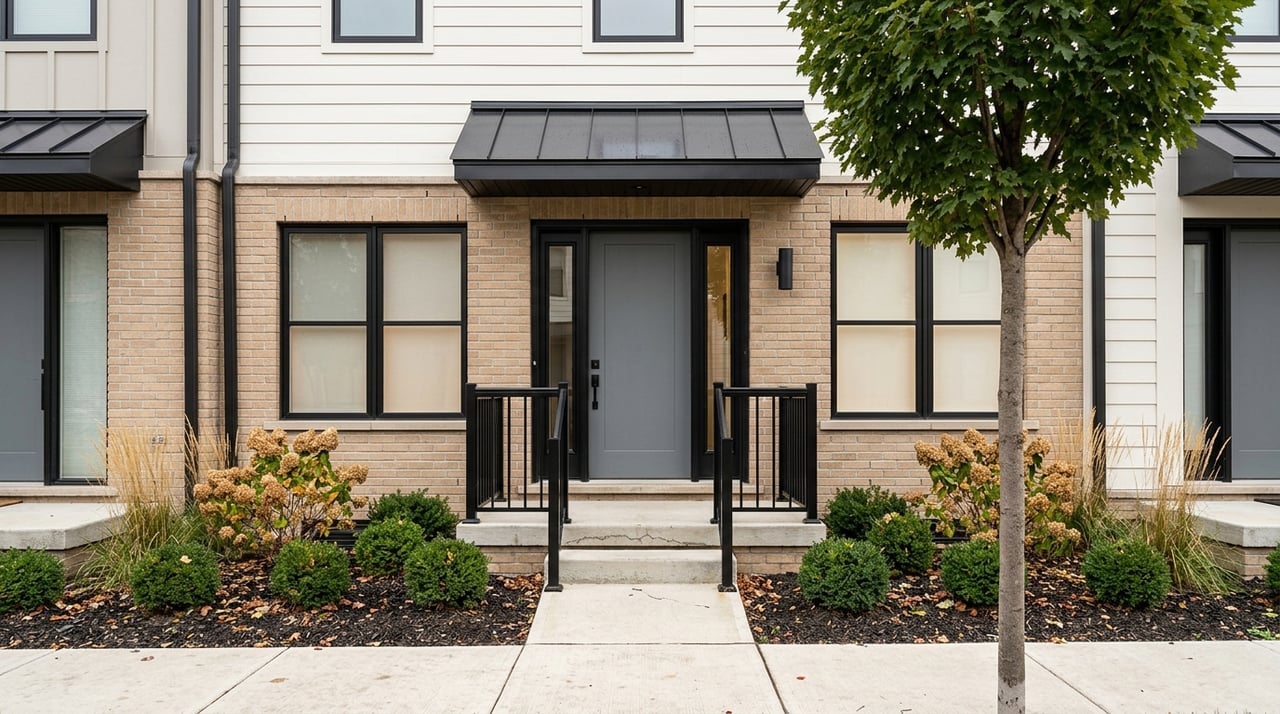
Buying A Condo Or Townhome In West Chester: What To Know
April 16, 2026
April 16, 2026
Thinking about buying a condo or townhome in West Chester? It can be a smart move if you want lower-maintenance living, a more predictable exterior-care plan, or a property that fits your lifestyle and budget. But before you fall in love with a floor plan or community, you need to know exactly what you are buying, what the HOA covers, and how Ohio law and West Chester rules can affect ownership. Let’s dive in.
In West Chester, a condo and a townhome are not always the same thing, even if they look similar from the street. Under Ohio condominium law, a condo owner has exclusive possession of the unit plus an undivided interest in the common elements, and each unit is taxed as its own parcel.
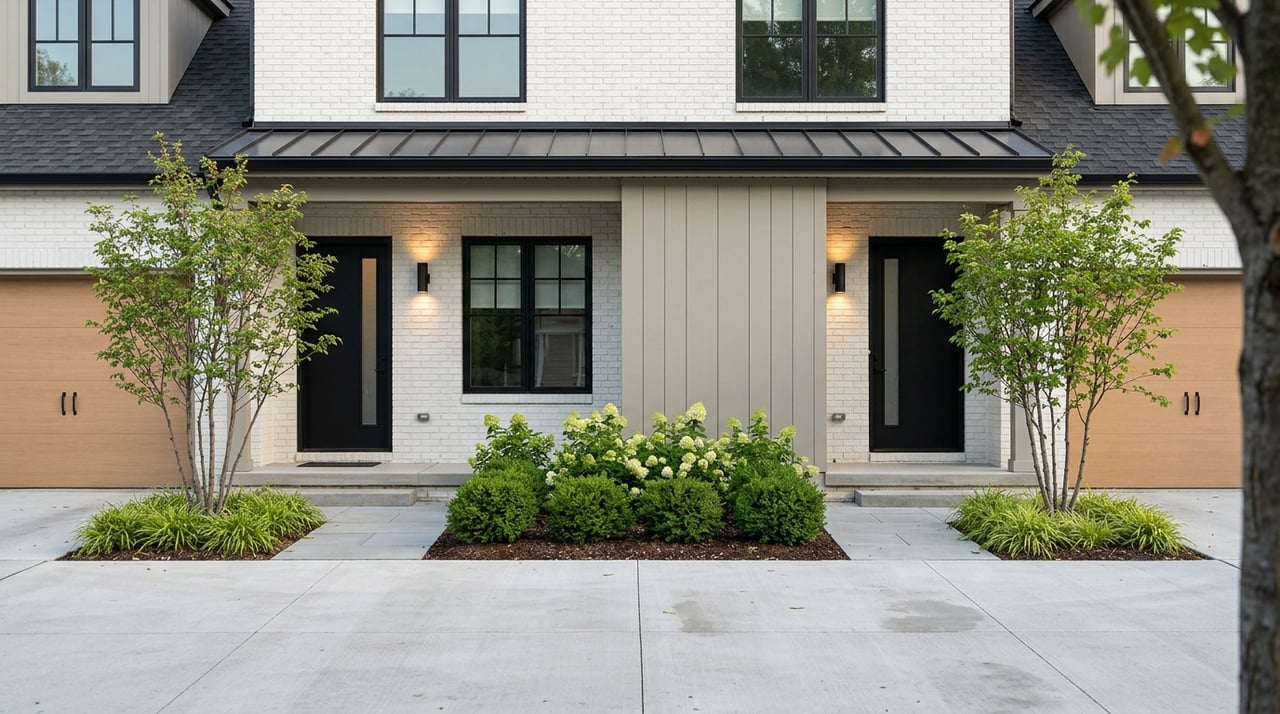
A townhome, on the other hand, may be set up in more than one legal way. Some townhomes are condos, while others are part of a planned community governed under Ohio planned-community law. The key point is simple: the recorded declaration and deed determine what you actually own and what rules apply.
Ownership structure affects more than legal language. It can influence who maintains the roof, siding, windows, patios, landscaping, and even utility lines serving the property.
For condos, the bylaws must say who authorizes maintenance, repair, and replacement of common elements. In planned communities, the default rule is often that the owner maintains the lot, dwelling, and utility lines unless the declaration says otherwise. That is why you should never assume two similar-looking West Chester townhomes come with the same responsibilities.
A monthly HOA fee can look attractive at first glance, but the number alone does not tell the full story. A lower fee is not automatically better if the association has weak reserves, limited maintenance coverage, or a history of special assessments.
Ohio law requires condo and planned-community associations to adopt annual budgets and include reserves adequate for major capital repairs and replacement, unless owners waive that reserve requirement in writing by majority vote each year under Ohio law on association budgets and reserves. That makes reserve funding one of the most important things you can review as a buyer.
Before you write an offer, ask for clear answers to these questions:
If the association is underfunded, you could face higher costs later. From a finance-first perspective, the real cost of ownership is your mortgage, taxes, insurance, HOA dues, and potential assessment exposure combined.
One of the biggest mistakes buyers make is treating the HOA documents like routine paperwork. In Ohio, condo declarations, bylaws, rules, and amendments are binding legal documents, and planned-community governing documents must also be recorded and enforced according to their terms.
These documents often explain how the property can be used, what exterior changes are allowed, whether pets or rentals are restricted, and who is responsible for specific repairs. If you skip this review, you may not find out about an important restriction until after closing.
Use this checklist to guide your due diligence:
Ohio’s residential property disclosure form applies to most residential transfers, but it is not a substitute for inspections or HOA review.
Many buyers choose a condo or townhome because they want less exterior maintenance. That can be a real advantage, but you need to confirm exactly what “maintenance-free” means in that specific community.
In some communities, the association may handle roofs, siding, landscaping, and snow removal. In others, the owner may still be responsible for windows, patios, decks, driveways, or utility lines. Ohio law also allows certain limited common elements, such as patios, decks, hedges, or fences, to be maintained and insured by the benefiting unit owner if the board authorizes it.
In West Chester, association rules are not always the only layer to consider. The township’s Community Development Department administers zoning and property-maintenance codes, so exterior changes like decks or fences may require township review in addition to HOA approval.
That matters if you are buying with plans to personalize your outdoor space. Before you assume a project is simple, verify both the community rules and the township requirements.
If you may rent the property now or in the future, do not rely on assumptions. Lease restrictions, rental caps, minimum lease terms, approval requirements, or owner-occupancy rules are usually found in the recorded declaration, bylaws, or community rules.
That means one West Chester condo or townhome may allow leasing, while another may place strict limits on it. If investment flexibility matters to you, make that part of your document review before you submit an offer.
Some of the most important resale and ownership questions include:
Ohio law contemplates developer control during early stages of both condo and planned-community ownership. If you are buying in a newer community, confirm whether control has transitioned to owners.
Associations in Ohio can levy assessments, late fees, and enforcement-related charges. Unpaid condo common expenses and unpaid planned-community assessments can also become recorded liens against the unit or lot.
For condos, the association’s lien generally has priority over later liens except real-estate taxes and first mortgages. Similar rules apply in planned communities. This is one more reason to request a resale certificate or statement of unpaid assessments before moving forward.
Even within the same general area, costs and school assignments can vary by property. In West Chester, each condo unit and planned-community lot is separately taxed at the parcel level, so you should review the tax exposure for the specific property rather than assume it matches nearby homes.
School assignment also needs a property-specific check. West Chester Township says it has more than 64,000 residents and over 3,600 businesses, and Lakota Local Schools serves West Chester and Liberty Township. But attendance zones are address-based, so buyers should use Lakota’s attendance-zone search tool to verify the exact assignment for the parcel.
When you buy a condo or townhome in West Chester, you are not just buying square footage. You are buying into a legal structure, a budget, a maintenance system, and a set of recorded rules.
That is why a strong buying strategy starts with document review, financial review, and clear questions about ownership responsibilities. If you take the time to understand the details upfront, you can move forward with more confidence and fewer surprises.
If you want help evaluating a West Chester condo or townhome with a sharper financial lens, connect with Luana King. She offers a consultative, responsive approach that helps you compare properties, review the big-picture costs, and make a more informed move.
Stay up to date on the latest real estate trends.


Real estate is one of the most powerful tools for building wealth and securing your financial future. With Luana King as your trusted advisor, invest with confidence and expert guidance at every step.
Get In Touch With Our Team To Learn More