Indian Hill vs. Mason: Which Cincinnati Luxury Suburb Fits You?
March 5, 2026
March 5, 2026
Trying to choose between Indian Hill and Mason for your next luxury home? Both deliver strong schools and high quality of life, yet they feel very different on the ground. In this guide, you will see how price, privacy, schools, commute, amenities, and resale dynamics compare so you can decide with clarity. Let’s dive in.
Indian Hill reads as a low‑density, estate community where large lots and privacy drive value. Zillow’s home‑value index places typical values near $1.58 million, and local median household income is among the highest in the region at about $235,000, which supports premium demand and limited inventory. Population is small, roughly 6,000 residents, which reinforces the village’s intimate feel and limited commercial footprint. U.S. Census QuickFacts shows the income and population context.
Mason is larger, family‑focused, and active. Zillow’s index is around the mid‑$400s while recent Mason median sale prices reported elsewhere have trended higher than that index, a difference that reflects methodology. The headline is broader price tiers, more new construction, and deeper inventory. You will find more listings to compare and often faster timelines if you prefer newer homes.
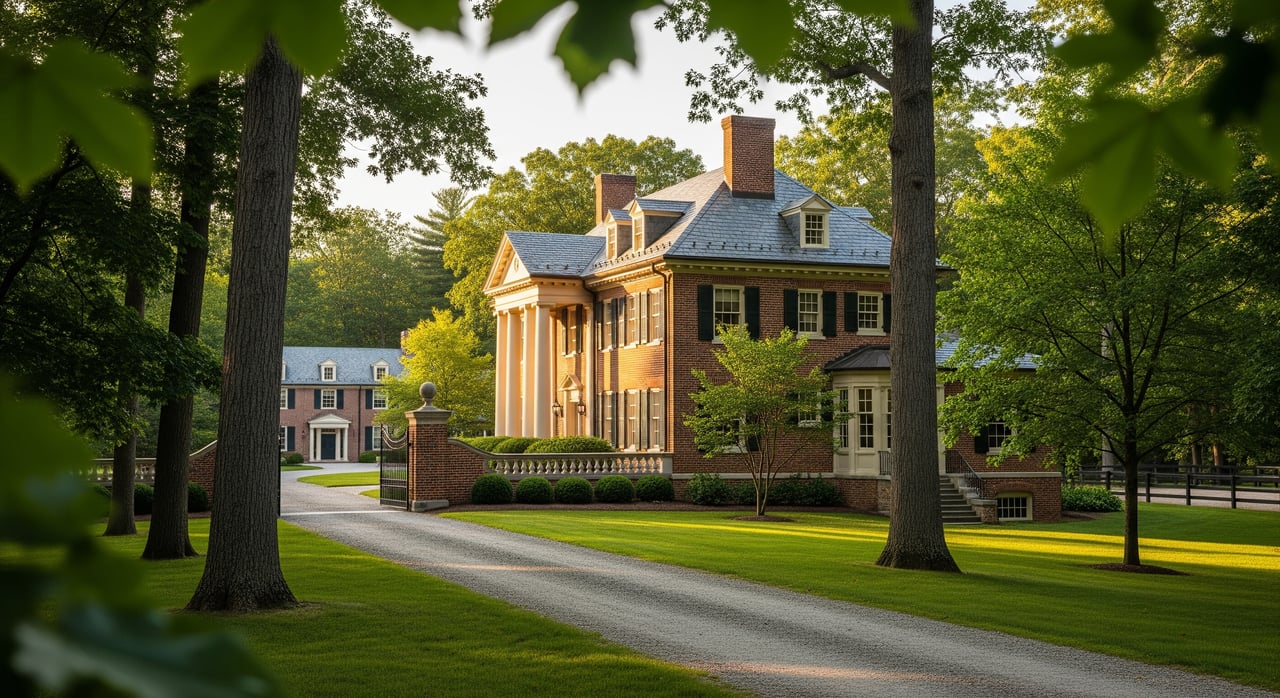
Indian Hill is intentionally rural in character. The village’s large‑lot zoning and Green Areas conservation program protect low density, wooded buffers, and trail networks that keep the estate feel intact. Review the village’s planning and zoning resources to understand parcel rules and conservation overlays before you tour acreage properties. Explore the Village of Indian Hill planning and zoning page for context.
The equestrian lifestyle is a real differentiator. The community maintains about 70 to 75 miles of bridle trails, which matters if you value horses or quiet, wooded paths right from your property. See the Indian Hill Equestrian Club’s bridle‑trails overview for the latest trail information.
Expect a mix of legacy estates and custom homes on multi‑acre parcels, plus occasional contemporary rebuilds. Because inventory is thin, many buyers consider renovated older estates or secure land first, then commission a custom build. Utilities can vary on large lots. Indian Hill’s code contemplates private household sewage systems for certain developments, so confirm each property’s water and sewer setup early. The village code library details private sewage provisions.
Mason concentrates higher‑end homes in planned subdivisions and club communities. Typical lots in many neighborhoods range from about 0.2 to 0.5 acre, with some larger parcels in select pockets. New construction and spec homes are more available, which can streamline your move if you want modern systems and minimal renovation.
Mason City Schools is a large district known for strong academic results and broad extracurricular options, including advanced coursework and expansive team programs. For a data snapshot of the high school, review William Mason High School on Niche.
Lifestyle is active and kid‑friendly. The area hosts Kings Island, the Lindner Family Tennis Center, Great Wolf Lodge, a large community recreation center, and ongoing mixed‑use growth in downtown Mason. These amenities help sustain steady resale interest. For a quick amenities roundup, see this regional suburbs overview that highlights Mason’s attractions.
Indian Hill Exempted Village School District is small and academically elite at the state level, with consistently top results and a compact, close‑knit feel. Visit the Indian Hill Schools site for current performance and district news.
Mason City Schools serves a much larger student body and is known for strong report‑card scores and an extensive menu of programs. Families who want a big peer group and lots of clubs, music, and athletics often prefer Mason’s scale. Check Niche’s profile for William Mason High for a high‑level summary.
Residents in Indian Hill report a mean commute around 19.6 minutes, while Mason averages about 25.1 minutes. These figures are based on local survey data and reflect each suburb’s location and driving patterns. See the Census QuickFacts page for commute metrics.
Indian Hill sits closer to downtown Cincinnati, which usually means quicker central‑city trips. Mason is farther out but connects efficiently to I‑71, I‑75, and I‑275, a plus if your work spans multiple employment nodes or you travel frequently for sports and events. A regional overview of top suburbs notes Mason’s interstate access and destination amenities, which aligns with its mobility profile. Review this Cincinnati suburbs summary for context.
If acreage and seclusion are non‑negotiable, Indian Hill stands out. Large‑lot zoning and the Green Areas program preserve estate settings, mature trees, and riding trails that you simply will not find in typical subdivisions. The village planning page is your go‑to for parcel and subdivision rules.
If you prefer neighborhood amenities, sidewalks, and modern floor plans without managing multiple acres, Mason offers more options. Expect transitional and contemporary homes with open layouts, high ceilings, and updated systems on manageable lots in well‑kept communities.
Indian Hill is quiet and residential with limited retail in village boundaries. Social life often centers on schools, private clubs, and community events. The historic Camargo Club is one of several private venues that anchor the area’s traditional estate culture. For a quick reference, see this Camargo Club overview.
Mason buzzes with public amenities and event traffic from Kings Island, the tennis center, and the community rec hub. Weekends can feel lively, and families often plan activities without leaving the city. Dining and retail choices continue to expand as Mason invests in its mixed‑use core.
Indian Hill typically has very limited active inventory. Many top homes trade privately, and valuation can be complex since estates are highly custom and sit on unique parcels. This is a market where off‑market outreach, flexible timing, and specialist inspections can make the difference.
Mason usually offers more active listings, clearer comparables within subdivisions, and more predictable appraisal paths. That depth supports price discovery and gives you leverage on timing, especially if you can consider both resale and new‑build options.
For acreage properties anywhere, plan for due diligence on site systems. Indian Hill’s code explicitly addresses private sewage configurations for large‑lot developments, so verify each property’s utilities and maintenance obligations. Review the code library and coordinate with village staff as needed.
Choose Indian Hill if you value:
Choose Mason if you value:
Both suburbs are excellent, yet the right choice depends on how you define luxury. If you want privacy, acreage, and a small elite district, Indian Hill is the benchmark. If you want top schools, newer homes, and high‑energy amenities with more listings to choose from, Mason fits the brief.
When you are ready to compare specific properties, get a custom plan anchored to your goals and timing. Reach out to Luana King to map the best path forward.
Stay up to date on the latest real estate trends.
Real estate is one of the most powerful tools for building wealth and securing your financial future. With Luana King as your trusted advisor, invest with confidence and expert guidance at every step.
Get In Touch With Our Team To Learn More